

Getting behind the wheel when your driver’s licence is suspended might seem like a minor risk worth taking – perhaps you need to get to work, pick up your children from school, or handle an emergency. However, what many Albertans don’t realize is that driving while suspended carries consequences far more severe than a simple traffic ticket. The repercussions can derail your life in ways you never anticipated, from substantial jail time to a permanent criminal record that follows you for years.
In Alberta, the legal system takes driving suspensions extremely seriously. Whether your licence was suspended due to accumulated demerit points, an impaired driving charge, unpaid fines, or administrative reasons, operating a vehicle during this period isn’t just illegal – it’s a decision that can cascade into mounting legal troubles, financial devastation, and long-term barriers to employment and travel.
We will explore why driving while suspended penalties in Alberta are harsher than most people realize, the different types of suspensions, the actual consequences you face, and why securing experienced legal representation is essential if you’ve been charged with this offence.
Understanding Driver’s Licence Suspensions in Alberta
Before delving into the harsh penalties, it’s essential to understand what a driver’s licence suspension actually means and the various circumstances that can lead to one. Many drivers are unaware of just how easily they can find themselves without legal driving privileges in Alberta.

What Constitutes a Suspended Licence?
A driver’s licence suspension means your legal authorization to operate a motor vehicle in Alberta has been temporarily revoked. During this period, you are explicitly prohibited from driving any vehicle on public roads. License suspension is considered in effect after the Notice of Suspension is mailed to your last known address.
Types of Licence Suspensions in Alberta
Alberta law recognizes several categories of driver’s licence suspensions, each with distinct causes and legal implications:
Demerit Point Suspensions
If you accumulate 15 demerit points within a two-year period, or 8 points while on the Graduated Driver Licensing (GDL) program, your licence will be suspended. The length of demerit point suspensions escalates with repeat occurrences:
- First demerit suspension within 2 years: 1-month suspension
- Second demerit suspension within 2 years: 3-month suspension
- Third or subsequent demerit suspension within 2 years: 6-month suspension
These progressively longer suspensions reflect the serious view Alberta takes toward drivers who repeatedly accumulate traffic violations.
Impaired Driving Suspensions
Drivers with blood alcohol concentration between 0.05 and 0.079, or who fail standardized field sobriety tests, face immediate suspensions under the Immediate Roadside Sanctions (IRS) WARN program. The penalties escalate significantly with each occurrence:
- First occurrence IRS WARN: 3-day licence suspension, 3-day vehicle seizure, $300 fine plus 20% victim surcharge
- Second occurrence IRS WARN: 15-day licence suspension, 7-day vehicle seizure, $600 fine plus 20% victim surcharge, and mandatory participation in the Crossroads remedial education course
- Third occurrence IRS WARN: 30-day licence suspension, 7-day vehicle seizure, $1,200 fine plus 20% victim surcharge, and mandatory participation in remedial education through the IMPACT programme
For more serious impaired driving incidents, including blood alcohol concentration of 0.08 or higher, refusal to provide a breath or drug sample, or failing a drug recognition evaluation, drivers face IRS FAIL penalties that are substantially more severe:
- First occurrence IRS FAIL: 90-day licence suspension plus a 12-month ignition interlock suspension (meaning you can only drive with an ignition interlock device installed), $1,000 fine plus 20% victim surcharge, 30-day vehicle seizure, and mandatory completion of the Planning Ahead course
- Second occurrence IRS FAIL: 90-day licence suspension plus a 36-month ignition interlock suspension, $2,000 fine plus 20% victim surcharge, 30-day vehicle seizure, and mandatory participation in the IMPACT program
- Third occurrence IRS FAIL: 90-day licence suspension followed by a lifetime ignition interlock suspension (you may apply to have the suspension lifted and licence reinstated after ten years, though approval is not guaranteed), 30-day vehicle seizure, and $2,000 fine plus 20% victim surcharge
These escalating penalties demonstrate the serious consequences of impaired driving in Alberta, with each subsequent offence resulting in dramatically longer suspensions and more stringent requirements for reinstatement.
Administrative Suspensions
Administrative suspensions can result from failing to comply with special licensing conditions, driving while suspended in another province, or failing to pay outstanding traffic tickets. These suspensions address various regulatory and financial non-compliance issues.
Court-Ordered Suspensions
When convicted of serious driving offences like dangerous driving or impaired operation, judges have the authority to impose mandatory driving prohibitions as part of your sentence. These criminal prohibitions are distinct from, and often run concurrently with, provincial administrative suspensions.
The Distinction: Driving While Suspended vs. Driving While Prohibited
Understanding the difference between these two offences is crucial, as they carry vastly different legal consequences.
Provincial Traffic Safety Act Charges
Driving while suspended under Alberta’s Traffic Safety Act is considered a provincial regulatory offence. A first conviction under Section 95(1) of the Traffic Safety Act subjects you to a fine of up to $2,000, and if you fail to pay that fine, you face imprisonment ranging from a minimum of 14 days to a maximum of six months. Additionally, once convicted, you are disqualified from operating a motor vehicle in Alberta for six months from the date of conviction.
Criminal Code Charges (Section 320.18)
Driving while prohibited is a criminal offence under Section 320.18 of the Criminal Code of Canada. This charge applies when you drive in violation of a court-imposed prohibition order stemming from a previous criminal conviction. The starting sentencing position in Alberta for this offence is 30 days in jail, though sentences can range from conditional discharge to substantial imprisonment.
The Hidden Penalties: Beyond Fines and Jail Time
While most people focus on the immediate consequences of fines and potential jail time, the collateral damage from a driving while suspended conviction extends far beyond the courtroom. These hidden penalties can devastate your finances, career prospects, and quality of life for years to come.
Immediate Vehicle Seizure
The moment police discover you’re driving while suspended, your troubles multiply exponentially. The vehicle you were driving will be impounded for at least 30 days, even if it’s not yours, and the owner of the vehicle will be responsible for all towing and impound fees.
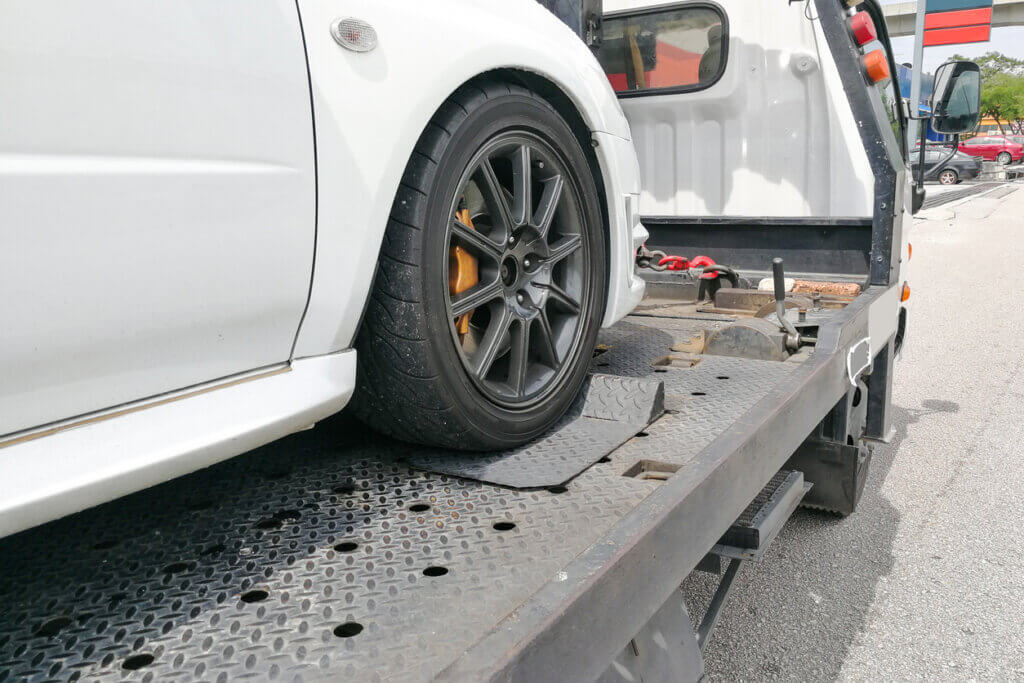
This creates significant hardship not just for you but potentially for family members, friends, or employers who own the vehicle. Impound fees typically range from $30-60 per day, meaning a 30-day seizure can cost $900-1,800 in storage fees alone, plus initial towing charges of several hundred dollars.
Mandatory Further Licence Suspension
If convicted of driving with a suspended licence, your licence will automatically be suspended for an additional six months. This additional suspension period begins after your original suspension concludes, significantly extending the time before you can legally drive again.
For individuals who depend on driving for their livelihood – truck drivers, delivery personnel, sales representatives, or healthcare workers making home visits – this extended suspension can mean job loss and financial devastation.
Catastrophic Insurance Implications
Perhaps the most financially crippling consequence of a driving while suspended conviction is the impact on your auto insurance. Your insurance rates will skyrocket for the next three years, and some insurance companies will refuse to insure you if you have been convicted of driving while suspended.

When insurers do agree to provide coverage, you may face premium increases of 200-400% or more. If your annual insurance costs were $2,000 before the conviction, you could be paying $6,000-10,000 per year for the next three to six years. Over this period, you could pay an additional $20,000-50,000 in insurance costs alone, far exceeding the initial fine.
The Risk of Criminal Charges and Jail Time
If convicted under the Criminal Code for Operating a Motor Vehicle While Prohibited, you can face jail time up to two years, or even as much as 10 years if the courts decide to proceed by indictment.

For a second offence within one year of the original offence, you face mandatory jail time ranging from 14 days to 6 months, in addition to all other penalties. Alberta courts take repeat offences particularly seriously, viewing them as evidence of disrespect for court orders and public safety.
Liability for Accidents and Injuries
If you’re driving with a suspended licence and you cause an accident, your insurance policy will not cover damage to your vehicle, and you may be liable for damages and injuries suffered by the other party involved.
This means you could be personally liable for tens or even hundreds of thousands of dollars in damages. If the accident causes serious injuries or death, you could face civil lawsuits resulting in financial judgments that follow you for decades, potentially leading to bankruptcy and wage garnishment.
Employment Consequences
A criminal record for driving while prohibited creates significant barriers to employment. Many employers conduct criminal background checks, particularly for positions involving trust, security clearances, working with vulnerable populations, or operating company vehicles. Professional licensing bodies in fields like healthcare, education, law, and finance may discipline or refuse to license individuals with criminal records.
Immigration and Travel Restrictions
For non-citizens, a criminal conviction for driving while prohibited can have immigration consequences, including inadmissibility to Canada, denial of citizenship applications, or deportation proceedings. Even Canadian citizens with criminal records face restrictions when travelling internationally, as many countries deny entry to individuals with criminal convictions.
Real-World Scenarios: When Suspended Driving Becomes Critical
Scenario 1: The Emergency Situation
You receive a call that your elderly parent has fallen and needs immediate help. Your licence is suspended, but you convince yourself that this is an emergency that justifies driving. Police stop you for a minor traffic violation, discover your suspended licence, and charge you with the offence.
The reality: Courts rarely accept emergency circumstances as justification for driving while suspended. You should have called 911 or arranged alternative transportation. The conviction and consequences now compound your family crisis.
Scenario 2: The Workplace Pressure
Your employer needs you at work urgently, and you fear losing your job if you can’t make it in. You believe the risk of getting caught is minimal on a short drive.
The reality: The Edmonton Police Service is equipped with a large team to maintain traffic safety in the city, and Alberta has enforcement programs to specifically catch those who drive while prohibited. Automatic licence plate recognition technology makes detection increasingly likely. The job you hoped to preserve by driving is the job you’ll likely lose due to the conviction, jail time, and further suspension.
Scenario 3: The “I Didn’t Know” Defence
You received a suspension notice but claim you never saw it, or you believed your suspension had ended when it had not.
The reality: A Notice of Suspension is considered sufficiently served if it is sent by registered mail to the driver’s last address shown in the Registrar records. Ignorance of your suspension status is generally not accepted as a defence. It’s your responsibility to maintain current address information with the registrar and to verify your driving status.
Why These Penalties Are Deliberately Harsh
Alberta’s severe penalties for driving while suspended aren’t arbitrary or excessive. They’re carefully designed to serve specific public policy objectives. Understanding the reasoning behind these harsh consequences reveals why courts show little leniency to those who violate suspension orders.
Public Safety Imperative
Alberta’s stringent penalties for driving while suspended reflect a fundamental principle: suspended drivers pose a documented risk to public safety. Whether the original suspension stemmed from impaired driving, dangerous operation, or accumulated traffic violations, the suspension exists because you’ve demonstrated unsafe driving behaviour. Continuing to drive during suspension shows disregard for both legal authority and public safety.
Deterrence and Respect for Court Orders
The Alberta justice system is staunchly committed to reducing the number of accidents on the roads and takes all criminal driving charges very seriously. Harsh penalties serve both as specific deterrence (preventing you from reoffending) and general deterrence (discouraging others from driving while suspended).
When a judge imposes a driving prohibition, it’s a court order. Violating this order is fundamentally a contempt of court, demonstrating disrespect for judicial authority. This is why courts frequently impose jail sentences even for first-time offenders charged with driving while prohibited.
Graduated Consequences for Repeat Offenders
The penalty structure escalates dramatically with repeated offences, reflecting increased concern about drivers who continuously flout the law. Each subsequent conviction within a specified timeframe triggers harsher mandatory minimums, longer suspensions, and a greater likelihood of imprisonment.
Defences and Legal Strategies
While driving while suspended is a serious charge, experienced criminal defence counsel like Rory Ziv can employ various strategies depending on your circumstances.
Challenging the Validity of the Suspension
Your lawyer may investigate whether the original suspension was properly issued and whether you received proper legal notice. If procedural requirements were not met, the suspension itself may be invalid, providing a complete defence to the charge.
Challenging the Legality of the Traffic Stop
Your defence attorney can examine whether the police officer possessed adequate grounds to initiate the vehicle stop. If it can be demonstrated that law enforcement lacked reasonable justification for pulling you over, any evidence obtained following an improper stop may be deemed inadmissible in court, which could result in the charges being dropped entirely.
Necessity Defence
In extremely rare circumstances, a necessity defence may apply if you drove while suspended to prevent imminent harm and had no reasonable legal alternative. This defence has a very high threshold and requires evidence of immediate emergency circumstances.
Identity and Knowledge Issues
The Crown must prove beyond reasonable doubt that you were the person driving and that you knew about the suspension. In cases involving disputed identity or a genuine lack of knowledge about the suspension, these elements may be challenged.
Negotiating Reduced Charges
An experienced criminal defence lawyer may negotiate with prosecutors to reduce criminal charges to provincial offences, or to secure conditional sentences that avoid jail time while protecting your record.
Mitigating Sentencing Factors
Even when conviction is likely, skilled advocacy can significantly impact sentencing. Your lawyer can present mitigating factors such as your employment situation, family responsibilities, rehabilitation efforts, and acceptance of responsibility to minimize penalties.
The Reinstatement Process: It’s More Complex Than You Think
Once your suspension period concludes, you cannot simply resume driving. You cannot start driving again until you have met all reinstatement conditions and have obtained a new or replacement Alberta driver’s licence from an Alberta registry agent.
Reinstatement conditions typically include:
- Completing required education programmes (such as Planning Ahead or IMPACT courses)
- Paying all outstanding fines and reinstatement fees
- Providing medical documentation if suspension involved medical concerns
- Installing ignition interlock devices for alcohol-related suspensions
- Serving the complete suspension period without driving
Failure to meet these conditions means you remain suspended even after the initial suspension period expires. Driving during this time subjects you to all the same penalties as driving during the initial suspension.
Why You Need Experienced Legal Representation
Given the severe consequences of a driving while suspended conviction – potential jail time, criminal record, extended suspension, insurance implications, and employment barriers – attempting to navigate this alone is exceptionally risky.
Expertise in Traffic and Criminal Law
Driving while suspended cases involve a complex interplay between provincial traffic legislation and federal criminal law. When facing driving while prohibited charges under section 320.18 of the Criminal Code, the vehicle you were operating is seized for 30 days regardless of who it belongs to, and if found guilty, your driver’s licence is automatically suspended for six months. Understanding these overlapping jurisdictions and consequences requires specialized legal expertise.

Negotiation Skills and Court Experience
Prosecutors handle hundreds of traffic cases, but you’re facing potentially life-altering consequences. An experienced criminal defence lawyer knows how to negotiate effectively with Crown counsel, present persuasive arguments to judges, and identify weaknesses in the Crown’s case that laypeople typically miss.
Protecting Your Future
Beyond the immediate case, your lawyer thinks strategically about protecting your long-term interests, such as your driving privileges, your employment, your immigration status, and your criminal record. These considerations require nuanced legal judgment and advocacy experience.
What to Do If You’ve Been Charged
Immediate Steps
- Do not discuss the case with the police without legal counsel present. Anything you say can be used against you in court. Politely decline to answer questions and request to speak with a lawyer.
- Document everything immediately. Write down details about the stop, what was said, and any relevant circumstances while your memory is fresh.
- Gather relevant documents. Collect your suspension notice, correspondence with the registrar, proof of address, and any documentation relevant to your suspension or the incident.
- Contact an experienced criminal defence lawyer immediately. Time is critical for preserving evidence, filing necessary motions, and preparing your defence.
What Not to Do
- Don’t drive while your licence remains suspended, regardless of circumstances. This will only compound your legal troubles.
- Don’t ignore the charge or miss court appearances. This can result in additional charges and an automatic conviction.
- Don’t try to represent yourself. The legal system is complex, and the stakes are too high.
- Don’t discuss your case on social media or with anyone other than your lawyer. These communications can be discovered and used against you.
Contact Edmonton Criminal Defence Lawyer Rory Ziv
If you’ve been charged with driving while suspended or driving while prohibited in Edmonton or anywhere in Alberta, you need experienced, aggressive legal representation to protect your rights, your driving privileges, and your future. The consequences of these charges are far more severe than most people realize, and the strategies for defending against them require specialized knowledge of both criminal and traffic law.

Rory Ziv is an experienced Edmonton criminal defence lawyer who has successfully represented numerous clients facing driving while suspended charges. With in-depth knowledge of Alberta traffic legislation and the Criminal Code, Mr Ziv understands the serious implications these charges carry and fights tirelessly to achieve the best possible outcomes for his clients.
Why Choose Rory Ziv?
- Specialized expertise in driving offences and criminal traffic matters
- Proven track record of successful case resolutions
- Strategic defence planning tailored to your specific circumstances
- Strong relationships with Crown prosecutors and the Alberta courts
- Comprehensive approach addressing both immediate charges and long-term consequences
- Personalized attention to your case and your concerns
Don’t let a driving while suspended charge derail your life. Contact Edmonton Criminal Lawyer Rory Ziv today for a confidential consultation to discuss your case, explore your legal options, and begin building a strong defence strategy.
Time is critical when facing these charges. The sooner you have experienced legal counsel working on your case, the better your chances of achieving a favourable outcome. Call today – your driving privileges, your freedom, and your future depend on the decisions you make now.
Frequently Asked Questions
Q1. Can I drive if my suspension is from another province?
No. A person with a suspended licence in a province or territory other than Alberta is subject to the same laws, fines and penalties as a person with an Alberta licence. Alberta recognises and enforces suspensions from other Canadian provinces and territories.
Q2. What if I didn’t receive the suspension notice?
A Notice of Suspension is considered sufficiently served if it is sent by registered mail to the driver’s last address shown in the Registrar records. It’s your responsibility to maintain a current address with the registrar. Not receiving the notice is generally not accepted as a defence.
Q3. Can I drive for work purposes during a suspension?
No. Unlike some jurisdictions that offer restricted “hardship” licences, Alberta’s suspension means you cannot drive for any purpose, including work, with limited exceptions for those enrolled in approved ignition interlock programs for alcohol-related suspensions.
Q4. Will my insurance cover an accident if I’m driving while suspended?
If you’re driving with a suspended licence and you cause an accident, your insurance policy will not cover damage to your vehicle and you may be liable for damages and injuries suffered by the other party involved. You could face personal liability for all damages.
Q5. How long will a conviction affect my insurance rates?
Your insurance rates will skyrocket for the next three years, though the conviction may impact your insurance for up to six years or longer. Some insurers may refuse to provide coverage altogether if you have a driving while suspended conviction.
Q6. Is jail time really possible for a first offence?
Yes. In Alberta, certain cases can result in up to six months in jail, even for first offences. For driving while prohibited charges under the Criminal Code, the starting sentencing position in Alberta is 30 days in jail, though sentences vary based on circumstances.
Q7. Can I get my licence back early?
Generally, no, unless you successfully appeal the suspension. You must serve the full suspension period and meet all reinstatement conditions. For alcohol-related suspensions, participating in ignition interlock programs may allow limited driving privileges during the suspension period.
Q8. How do I check if my licence is suspended?
You can obtain a driver abstract from any Alberta registry agent. This document provides details about your driving status, suspension dates, and reinstatement requirements. It’s crucial to verify your status before driving if you have any uncertainty.