

You figure you’re fine after a couple of drinks. Traffic is light. The drive home is twenty minutes. Then you see the lights in your rearview mirror. What once might have resulted in a warning, or at worst a trip through the court system, could now mean an immediate licence suspension, a vehicle seizure, and a cascade of financial consequences, all before you’ve slept it off. That is the new reality on Alberta’s roads.
Alberta’s impaired driving framework has undergone a fundamental shift. The province moved away from a model that relied heavily on criminal prosecution toward one that deploys administrative penalties at roadside, fast, automatic, and surprisingly far-reaching. If you are an Edmonton driver, a GDL holder, a commercial operator, or anyone who has ever had a drink before getting behind the wheel, this guide is for you. The goal here is not to lecture. It is to give you the plain-English facts so you can make informed decisions before, during, and after a roadside stop.
What Actually Changed? Alberta’s Shift to Immediate Roadside Sanctions
For decades, impaired driving enforcement in Alberta followed a familiar path: a charge was laid, a court date was set, and a judge ultimately determined the outcome. That model still exists for criminal offences, and it always will, but Alberta layered something new on top of it. Immediate Roadside Sanctions, known as IRS, allow police to impose significant penalties at the scene of a traffic stop without any court involvement whatsoever.

Under the IRS regime, an officer who has reasonable grounds to believe a driver’s blood-alcohol concentration (BAC) falls within a prohibited range can issue an administrative sanction on the spot. The driver’s licence is suspended immediately. In many cases, the vehicle is seized. Fines and programme fees follow. The entire process happens in minutes, not months.
This is not a charge in the criminal law sense. That distinction matters, and it also confuses people enormously, which is part of why so many drivers fail to protect their rights in the window immediately following a sanction.
| Criminal vs. Administrative: Why the Distinction Matters A criminal impaired driving charge (under the Criminal Code of Canada) results in a record, potential jail time, and a formal prosecution. An Immediate Roadside Sanction is an administrative penalty, no criminal record, but the practical consequences can be severe and long-lasting. You can face both for the same incident if the circumstances warrant it. |
IRS Tier Breakdown: What Each Level Actually Means
The IRS system operates in tiers based on the driver’s BAC reading. Understanding which tier applies to your situation is the first step in understanding your options.
| IRS Tier | Trigger | Licence Suspension | Vehicle Seizure | Fines & Fees |
| IRS: Fail | BAC ≥ 0.08 or refused test | 90 days (first offence) | 3 days | Registration + remedial program fees |
| IRS: Warn | BAC 0.05–0.079 | 3–30 days | None | Administrative fees apply |
| Zero-Tolerance | Any detectable alcohol (GDL/commercial/under-18) | 30 days | 3 days | Significant fees + interlock possible |
Penalties compound quickly. A first IRS: Fail triggers a 90-day licence suspension, a mandatory ignition interlock condition, a remedial program requirement, and vehicle seizure fees. By the time the administrative dust settles, the total cost, including insurance surcharges over the following years, regularly exceeds $10,000 for first-time situations. Repeat incidents push that number far higher.
| ⚠️ Key Point These consequences happen fast, and there is no courtroom in that moment where you can argue your side. That is precisely why what you do immediately after a sanction is issued is so critical. |
Zero-Tolerance Rules: Who Is Affected and How Strictly
Not everyone gets the benefit of the 0.05–0.079 “warn” range. For certain categories of driver, the permissible BAC is zero. Full stop. A single drink, even consumed hours earlier, can be enough to trigger a sanction.
Zero-tolerance rules apply to:
- Drivers operating under a Graduated Driver Licence (GDL)
- Commercial vehicle drivers, including those operating passenger transport
- Drivers under 18 years of age
For these drivers, detecting any alcohol in their system at roadside produces the same result as a fail-level reading for a fully licensed adult: a 30-day licence suspension, a 3-day vehicle seizure, and associated fees. There is no threshold to argue around. The standard is absolute.
| Practical Example A GDL driver has one beer at a friend’s place and waits two hours before driving home. A roadside screening device registers a reading above zero. That single decision now results in a 30-day licence suspension, vehicle seizure fees, and a notation that will affect their insurance for years. |
The Full Picture: Cumulative Consequences Beyond the Roadside
The immediate sanction is only the beginning. What follows a roadside penalty extends far beyond the moment of the stop, and understanding the full scope is essential before anyone decides this situation does not require legal attention.
| Financial Impact | Licence Impact | Lifestyle Impact |
| Administrative fees | Immediate suspension | Mandatory education program |
| Insurance premium hike (often 3–5 years) | Interlock device requirement | Limited driving privileges |
| Reinstatement costs | Possible GDL reset | Employment & travel implications |
Insurance consequences alone deserve particular attention. Following an IRS of any tier, Alberta drivers typically see their premiums classified as high-risk, with surcharges that remain in place for three to five years, depending on the insurer and the specific sanction. On a mid-range premium, this can represent an additional $3,000 to $6,000 in insurance costs over that period, and that figure sits entirely outside the administrative fines themselves.

Mandatory education or treatment programs add both time and expense. The ignition interlock requirement, standard for IRS: Fail, means renting a government-approved device, having it installed and maintained at the driver’s cost, and submitting to random breath tests each time the vehicle is started. For many drivers, this represents a significant disruption to work and daily life.
Can You Fight an Immediate Roadside Sanction?
Yes, but you need to move fast. Alberta’s administrative review process provides a mechanism to challenge an IRS, but the window to request a review is narrow. In most cases, drivers have only a matter of days from the date of the sanction to apply.
An administrative review is not the same as a criminal trial. You will not have a prosecutor laying out evidence against you while a judge weighs the options. The review is conducted by a Registrar’s agent, and the standards differ from what a court would apply. However, a successful review can result in the sanction being cancelled or varied, which is precisely why legal guidance before the review matters enormously.
Grounds for a successful review can include: procedural errors in how the sanction was issued, device reliability issues, improper demands, or circumstances that the officer’s report did not fully capture. None of these grounds become apparent unless someone is actively looking for them, which is what a defence lawyer does.
| ⏰ Act Now — Not Later If you wait until the deadline passes, you permanently forfeit the right to challenge the sanction administratively. The suspension stays. The fees stand. The insurance impact follows. Early contact with a lawyer is not optional; it is the difference between having options and not having them. |
Common Mistakes Edmonton Drivers Make After a Roadside Stop
The period immediately after a roadside sanction is when most drivers make their biggest errors. Here are the most frequent and most costly:
| Common Mistake | Why It Matters |
| Assuming it’s not serious because there’s no criminal charge | Administrative sanctions can cost you your licence, thousands of dollars, and years of elevated insurance premiums, all without a criminal conviction. |
| Missing the appeal deadline | You typically have only a few days to request an Administrative Licence Review. Wait and the window closes permanently. |
| Saying too much at roadside | Providing unsolicited explanations or admissions can be used against you in any subsequent proceedings. |
| Not understanding your breath-testing rights | You have the right to know why a test is being demanded and to receive the results. Knowing your rights protects your options. |
| Assuming the device reading is accurate | You typically have only a few days to request an Administrative Licence Review. Wait, and the window closes permanently. |
| Going it alone without legal advice | The process looks administrative, but the consequences are not. Early legal guidance can fundamentally change the outcome. |
How Police Investigations Still Shape Your Options
Even when an IRS is issued rather than a criminal charge, what happened during the police investigation matters. The legality of the breath demand, the reliability of the approved screening device, the officer’s compliance with required procedures; all of these are relevant to any administrative review.
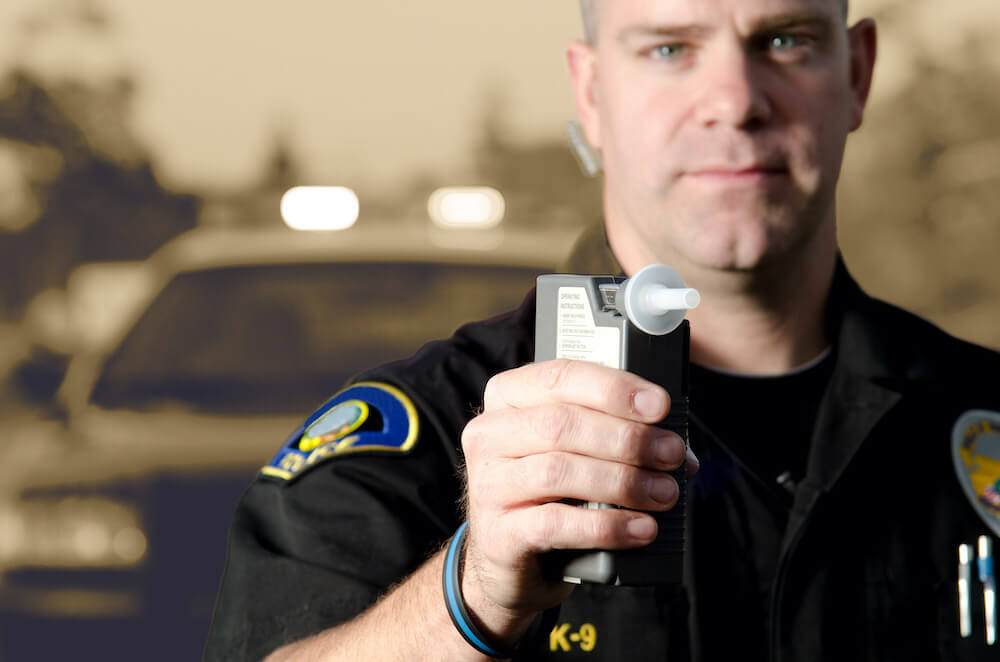
Approved screening devices, the roadside breath-testing tools officers carry, are subject to strict calibration and maintenance requirements. They are not infallible instruments, and courts have recognized that their readings are not beyond question. Factors, including recent mouth alcohol, medical conditions, environmental contaminants, and operator error, can all affect results.
Field sobriety tests present a different layer of complexity. These standardized evaluations are based on specific protocols. Deviation from those protocols, whether in administration or interpretation, can undermine the conclusions drawn from them.
The point is not that every case is winnable. The point is that these cases are defensible with the right approach, and the right approach begins with someone who knows where to look.
Why Legal Advice Matters – Even Without a Criminal Charge
One of the most persistent misconceptions in this area is that if there is no criminal charge, there is no need for a DUI lawyer. This belief has cost many Edmonton drivers dearly.
The long-term consequences of an uncontested IRS, the insurance surcharges, the interlock requirements, the potential employment and travel implications, can easily rival or exceed the practical impact of a criminal conviction for less serious offences. The absence of a criminal record is valuable, but it does not eliminate the need to manage these consequences strategically.
Rory Ziv practises criminal defence in Edmonton with a particular focus on impaired driving allegations, both criminal charges and the administrative side of the IRS framework. The value of early intervention is not just about winning an appeal. It is about understanding what happened, identifying any procedural or evidentiary weaknesses, and positioning a client for the best possible outcome given their specific circumstances.
What Rory Ziv Tells Clients: A Practical Perspective
Clients who come to Rory Ziv after an IRS often say the same things: “I didn’t think it was that serious” or “I thought I was under the limit.” Both are understandable reactions. Neither changes what happens next.

What he tells them is this: the sanction is issued. You cannot undo the roadside moment. What you can control is everything that follows:
- How quickly you act.
- Whether you request an administrative review and on what grounds.
- What records you preserve.
- Whether you have someone in your corner who understands the system before the deadline passes.
He also tells them not to panic. These situations are serious, but they are not hopeless. Alberta’s administrative review process exists precisely because the IRS system is fast-moving by design, and that speed creates room for error. Those errors are worth examining closely.
The worst outcome is not the sanction itself. It is allowing a sanctionable situation to become a permanently uncontested one because the driver assumed nothing could be done.
What To Do If You’ve Been Pulled Over or Penalized
If you have been issued an IRS or are facing an impaired driving investigation, follow these steps immediately:
| # | Action |
| Step 1 | Stay calm. Comply with all lawful police requests without volunteering extra information. |
| Step 2 | Pay attention. Note the officer’s name, badge number, device used, and every instruction given. |
| Step 3 | Document everything as soon as you are released, weather, time, what you consumed and when, and witnesses. |
| Step 4 | Contact a defence lawyer the same day. Administrative review deadlines are extremely tight. |
| Step 5 | Do not post about the incident on social media. Any statement can be used in later proceedings. |
FAQs About Alberta Impaired Driving Laws
What are Immediate Roadside Sanctions (IRS) in Alberta?
Immediate Roadside Sanctions (IRS) are penalties issued by police at the roadside for suspected impaired driving. These can include licence suspensions, vehicle seizures, fines, and mandatory programs, often without going to court.
Can I fight an Immediate Roadside Sanction in Alberta?
Yes. You can apply for an administrative review to challenge the penalty. However, the deadline to file is very short. If you miss it, you may lose your right to appeal entirely.
What is the difference between IRS Fail and IRS Warn?
An IRS Fail carries more serious consequences, including longer licence suspensions, vehicle seizure, and higher financial penalties. An IRS Warn usually involves shorter suspensions and lower penalties but can become more severe with repeat incidents.
Who must follow zero-tolerance alcohol rules in Alberta?
Zero-tolerance rules apply to Graduated Driver’s Licence (GDL) drivers, drivers under 18, and commercial drivers. These individuals must have a blood alcohol level of 0.00, meaning even one drink can lead to penalties.
Do I need a lawyer if I did not receive a criminal DUI charge?
Yes. Even without a criminal charge, administrative penalties can have serious financial, legal, and personal consequences. Legal advice can help you understand your options and whether the penalty can be challenged.
How long is a licence suspension for impaired driving in Alberta?
For an IRS Fail, drivers typically face an immediate 90-day licence suspension, often followed by a period of restricted driving under specific conditions. The exact length can vary depending on the situation.
Will an IRS penalty affect my insurance?
Yes. An IRS penalty can lead to significantly higher insurance premiums and may make it more difficult to obtain coverage in the future.
What should I do after receiving a roadside sanction in Edmonton?
Act quickly. Review the paperwork you were given, write down everything you remember about the stop, and seek legal advice as soon as possible to avoid missing important deadlines.
The Bottom Line for Edmonton Drivers
Alberta’s impaired driving landscape has changed materially. The IRS system means that a roadside stop can trigger consequences, such as licence suspension, vehicle seizure, mandatory programs, and years of elevated insurance, without ever entering a courtroom. For zero-tolerance drivers, a single drink is enough.
The good news is that consequences are not always final. The administrative review process exists, and it can be effective, but only if it is used within the available window. Procedural issues, device reliability questions, and evidentiary gaps are all legitimate grounds that a defence lawyer can identify and pursue.
The worst mistake you can make is assuming there is nothing you can do. The second worst is waiting too long to find out.
| DON’T WAIT UNTIL IT’S TOO LATE Immediate roadside sanctions are time-sensitive. Once an appeal deadline passes, your options narrow significantly. Edmonton criminal defence lawyer Rory Ziv handles both criminal DUI charges and administrative impaired driving penalties, and he knows exactly where the leverage points are. Call Rory Ziv Today for a Confidential Consultation |
© Edmonton Criminal Lawyer Rory Ziv | edmontoncriminallawyerziv.com | This post is not legal advice and should not be treated as such. It is just something that is here to provide you with general information. Always consult a lawyer for proper legal advice.