


It’s a common scenario: someone makes a mistake, gets charged with a criminal offence, and believes that once the court process is finished, life will return to normal. Unfortunately, this couldn’t be further from the truth. A criminal conviction is not just a past event; it is a lasting mark that creates significant, long-term obstacles affecting every aspect of your life, from your career and ability to travel to your family and future opportunities. Even for what might seem like a “simple” offence, the consequences can be profound and permanent.
In this article, Rory Ziv discusses the hidden, ongoing costs of a criminal record in Alberta. As a highly experienced Edmonton criminal lawyer who has defended clients against some of the most serious charges, from drug trafficking to murder, his goal is to help you understand the stakes and the critical importance of securing a strong legal defence from the very beginning.
The Immediate Aftermath: Sentencing and Beyond
The most visible consequences of a conviction are the court-ordered sentences, but these are only the beginning. Depending on the seriousness of the offence, whether it’s a less serious summary offence or a more severe indictable offence like aggravated assault or drug production, the immediate penalties can be life-altering.
Sentencing Possibilities:
- Incarceration: Jail time is a very real possibility for many offences, with potential sentences ranging from short terms for simple assault up to life imprisonment for the most serious charges like murder or aggravated assault.
- Fines and Probation: Courts can impose significant financial penalties and restrictive probation conditions that limit your freedom and daily activities.
- Ancillary Orders: Beyond jail or fines, a judge can impose additional orders that follow you for years. These can include mandatory inclusion in the national DNA databank, prohibitions on owning weapons, or restitution orders to compensate victims.
Once a conviction is registered, the official record is created, and the long-term consequences start to unfold, impacting your life long after you’ve completed your sentence.
Understanding Criminal Records in Alberta
Before diving into the consequences, it’s essential to understand exactly what constitutes a criminal record and how the system works in Alberta. Many people have misconceptions about what appears on their record, how long it stays there, and who can access this information.
What Exactly Is a Criminal Record?
A criminal record is an official document maintained by the government that contains information about your interactions with the criminal justice system. This record includes any charges laid against you, convictions obtained, and sentences imposed. It’s important to understand that even charges that were withdrawn or resulted in acquittals may appear on your record, though these don’t carry the same weight as actual convictions.
In Alberta and across Canada, criminal records are maintained in the Canadian Police Information Centre (CPIC) database. This national repository is accessible to law enforcement agencies, border services, and, with your consent, potential employers, licensing bodies, and other organizations conducting background checks.
Types of Offences That Create a Record
Criminal records stem from convictions under the Criminal Code of Canada or other federal statutes. These range from summary convictions (less serious offences like mischief or causing a disturbance) to indictable offences (more serious crimes such as assault, theft over $5,000, or drug trafficking).
It’s worth noting that provincial offences, such as most traffic violations under Alberta’s Traffic Safety Act, typically don’t result in a criminal record. However, serious driving offences like impaired driving are criminal matters that will absolutely appear on your record.
How Long Does a Criminal Record Last?
Contrary to popular belief, criminal records in Canada don’t automatically disappear after a set period. A conviction stays on your record indefinitely unless you take specific legal action to have it removed or sealed. This is where record suspensions (formerly called pardons) come into play.
The Professional Fallout: How a Criminal Record Impacts Your Career
One of the most devastating and immediate impacts of a criminal record is on your professional life.
- Hiring and Employment: Many employers conduct criminal background checks, and a record can be an automatic disqualifier. This is especially true for convictions considered a “crime of dishonesty,” such as theft, which can make it nearly impossible to find a job in any position of trust. Even a simple assault conviction can lead to challenges in finding or keeping a job.
- Vulnerable Sector Checks: Countless jobs, particularly those involving children, the elderly, or other vulnerable populations, require a clean vulnerable sector check. A criminal record will almost certainly prevent you from working in fields like education, healthcare, and social work.
- Professional Licensing: Many professional bodies for careers like nursing, accounting, or law have strict character requirements. A criminal record can prevent you from obtaining a professional license or lead to the revocation of an existing one, effectively ending your career.
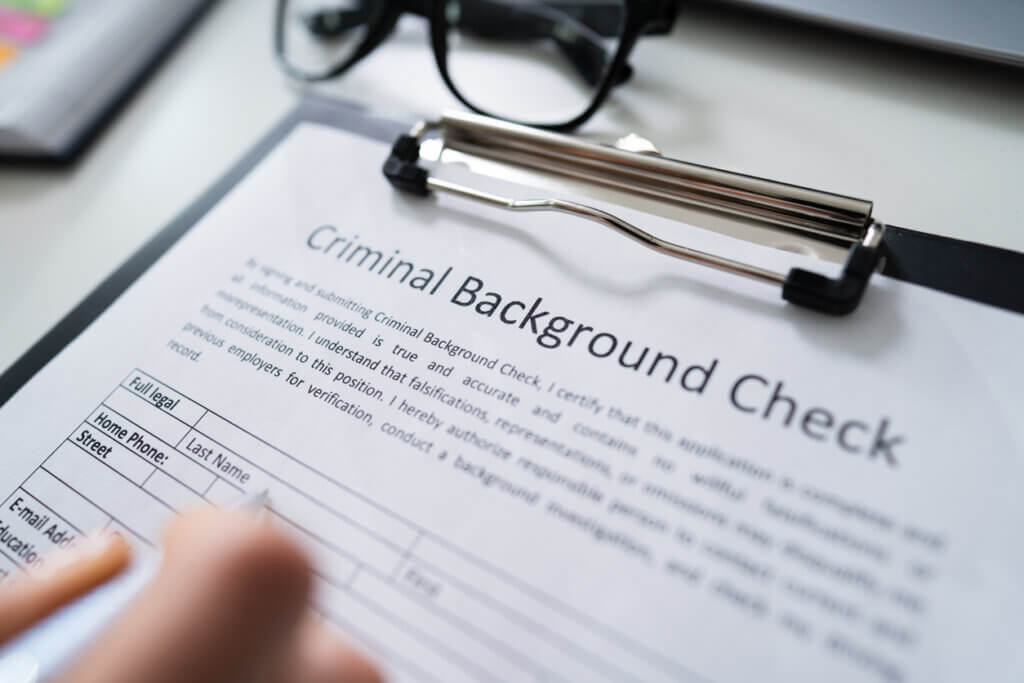
Barriers at the Border: The Impact on International Travel
A common misconception is that a minor conviction in Canada won’t affect your ability to travel internationally. This is dangerously incorrect.
- Entry to the United States: The U.S. has extremely strict rules regarding entry for individuals with criminal records. You may be deemed inadmissible and denied entry at the border for a wide range of offences, from drug possession to assault. This can ruin not just family vacations but also opportunities for business travel and even prevent you from taking connecting flights through U.S. airports.
- Other Countries: Many other popular destinations, like Mexico, also have restrictions on entry for individuals with criminal histories. Applying for visas to work, study, or travel to many countries requires you to disclose any criminal history, and a record can easily lead to a denial.
The Personal Price: Family, Immigration, and Daily Life
The consequences of a criminal record extend deep into your personal life, affecting your family and your fundamental status in Canada.
- Immigration Status: For non-Canadian citizens, this is one of the most severe consequences. A criminal conviction can lead to dire immigration outcomes, including the inability to secure permanent residency or citizenship, and in many cases, deportation from Canada.
- Domestic and Family Life: In domestic violence cases, a conviction often results in long-term probation with strict “no-contact” orders. These conditions can prevent you from returning to your family home or seeing your loved ones, causing immense emotional and financial strain. The stigma and stress of a conviction can shatter relationships with partners, children, and friends.
Beyond Jobs and Travel: Other Life Impacts
While employment and travel restrictions represent the most commonly discussed consequences, a criminal record’s reach extends into nearly every corner of your daily life. From housing to volunteering to family relationships, these additional impacts can be just as devastating and are often completely unexpected by those facing charges.
Housing and Rental Applications
While often overlooked, housing is another area where criminal records create barriers. Many landlords in Alberta conduct background checks on prospective tenants, particularly for rental properties in desirable neighbourhoods or newer buildings. A criminal record, especially one involving property offences, violence, or drug-related crimes, can result in rental applications being denied.
This is particularly challenging in cities like Edmonton and Calgary, where rental markets can be competitive. Being forced to accept less desirable housing or pay higher deposits due to a criminal record adds another layer of financial strain.
Volunteering and Community Involvement
Want to coach your child’s hockey team, volunteer at a school, or work with vulnerable populations? A criminal record can prevent you from giving back to your community in meaningful ways. Organizations that work with children, seniors, or other vulnerable groups in Alberta are required to conduct vulnerable sector checks on volunteers.
While not all criminal records will disqualify you from volunteer positions, many organizations adopt risk-averse policies that exclude anyone with a conviction, regardless of how long ago it occurred or whether it’s relevant to the volunteer role.
Financial Consequences: The Hidden Economic Burden
Beyond the immediate fines and legal fees associated with a criminal case, a conviction triggers a cascade of ongoing financial penalties that most Albertans never anticipate. These hidden costs accumulate over the years and can amount to tens of thousands of dollars in additional expenses and lost economic opportunities.
Auto Insurance Premiums
In Alberta’s private auto insurance market, criminal convictions, particularly impaired driving offences, can cause your insurance premiums to skyrocket. Some insurers may refuse to provide coverage altogether, forcing you into high-risk insurance pools where premiums can be three to four times higher than standard rates.
These elevated premiums typically continue for at least three to five years following a conviction, adding thousands of dollars to your costs.
Bonding and Security Clearances
Many positions in Alberta require bonding or government security clearances. These include jobs in finance, government, defence contracting, and positions handling sensitive information. A criminal record often disqualifies you from obtaining these clearances, effectively closing entire career paths.
Business and Entrepreneurship Barriers
Aspiring entrepreneurs face their own challenges. Criminal records can affect your ability to secure business loans, obtain certain business licenses, or enter into contracts with government entities or major corporations that conduct background checks on principals.
For those looking to expand internationally, a criminal record complicates obtaining work visas or permits needed to conduct business in other countries.
Why Your Defence Strategy is Critical from Day One
Being charged is an overwhelming and intimidating experience, but it is not the same as being convicted. The single best way to avoid these lifelong consequences is to avoid a conviction in the first place. An experienced criminal defence lawyer will not just prepare for trial; they will meticulously assess every possible avenue to achieve the best outcome for you.

This can include:
- Withdrawal of Charges: Persuading the Crown Prosecutor to drop the charges before they proceed to trial.
- Peace Bonds: In some domestic or simple assault cases, a peace bond can be negotiated. This results in the criminal charges being withdrawn, allowing you to avoid a criminal record.
- Discharges: Arguing for an absolute or conditional discharge at sentencing, which, if granted and successfully completed, also prevents a formal conviction and record.
- Full Acquittal at Trial: Building a thorough and properly executed defence aimed at securing a not-guilty verdict.
- Protecting Your Rights: A knowledgeable lawyer will scrutinize the police investigation for any violations of your Canadian Charter of Rights and Freedoms. If your rights were breached during a search or arrest, it could lead to crucial evidence being excluded and the charges against you being dismissed.
Your Future is Worth Fighting For
A criminal record is a heavy burden that can permanently limit your opportunities and define your future. The costs are far greater than any fine or jail sentence; they are measured in lost careers, cancelled travel plans, strained family relationships, and blocked immigration pathways.
However, a charge is not a conviction. The decisions you make right now, starting with choosing the right legal representation, can change the entire trajectory of your life. Don’t let one mistake determine the rest of your future. An effective defence is the most important investment you can make.
Don’t Face the Future Alone. Protect Your Rights and Your Record.
The consequences of a criminal record are too severe to leave to chance. If you have been charged with a criminal offence in Alberta, the time to act is now. As an experienced Edmonton criminal defence lawyer, Rory Ziv has dedicated his career to fighting for fairness and achieving the best possible outcomes for his clients. He will thoroughly assess the case against you, explore every available defence, and fight to protect your future, whether that means negotiating a withdrawal of the charges or aiming for a full acquittal at trial.
Contact Ziv Law Group today at (587) 415-5786 24/7 or visit our contact page to schedule a meeting. Let’s start building your defence together.
Frequently Asked Questions (FAQ)
Q1. If I am convicted, will I have a criminal record forever?
A criminal conviction typically results in a permanent criminal record. While options like record suspensions (formerly pardons) exist, they are not guaranteed and have specific eligibility periods. The most effective way to prevent a permanent record is to avoid the conviction entirely through a strong legal defence that explores outcomes like charge withdrawals, peace bonds, or discharges.
Q2. Can my employer fire me if I get a criminal record?
It depends on your employment contract and the nature of the offence, but yes, it is possible. Many employers can terminate employment for a conviction, especially if it relates to your job duties (e.g., a theft conviction is a “crime of dishonesty”) or if you are required to maintain a clean record as a condition of employment.
Q3. I wasn’t born in Canada. What is the biggest risk of a criminal record for me?
For non-Canadian citizens, the most severe risk is facing serious immigration consequences. This can include being unable to apply for permanent residency or citizenship, and in some cases, it can lead to deportation from Canada.
Q4. Are there ways to resolve a criminal charge without getting a record?
Absolutely. An experienced defence lawyer can explore several resolutions that avoid a criminal record. These include negotiating for the charges to be withdrawn by the Crown, entering into a peace bond, or arguing for a conditional or absolute discharge at sentencing. A full acquittal at trial also results in no criminal record. The availability of these options depends on the specific circumstances of your case.
Q5. Will a criminal record show up on a background check if I don’t disclose it?
Yes, absolutely. When you authorize a background check, employers, landlords, and other organizations can access your criminal record through police information checks. Your record remains in the CPIC database and will appear on these checks regardless of whether you disclose it. Failing to disclose a record when asked directly can result in termination or denial of applications based on dishonesty.
Q6. How long do I have to wait before applying for a record suspension in Alberta?
For summary convictions, you must wait five years after completing your sentence (including probation, fines, and any other court-ordered obligations). For most indictable offences, the waiting period is ten years, but there are some for which you cannot get one. The clock starts when you’ve completely finished serving your sentence, not from the date of conviction. During this waiting period, you cannot commit any new offences.