

| A Landmark 2026 Case That Exposes a Critical Gap in Canada’s Criminal Code April 2026 | Criminal Law | Technology & Privacy | By Yago Medeiros |
A New Legal Question for the Digital Age
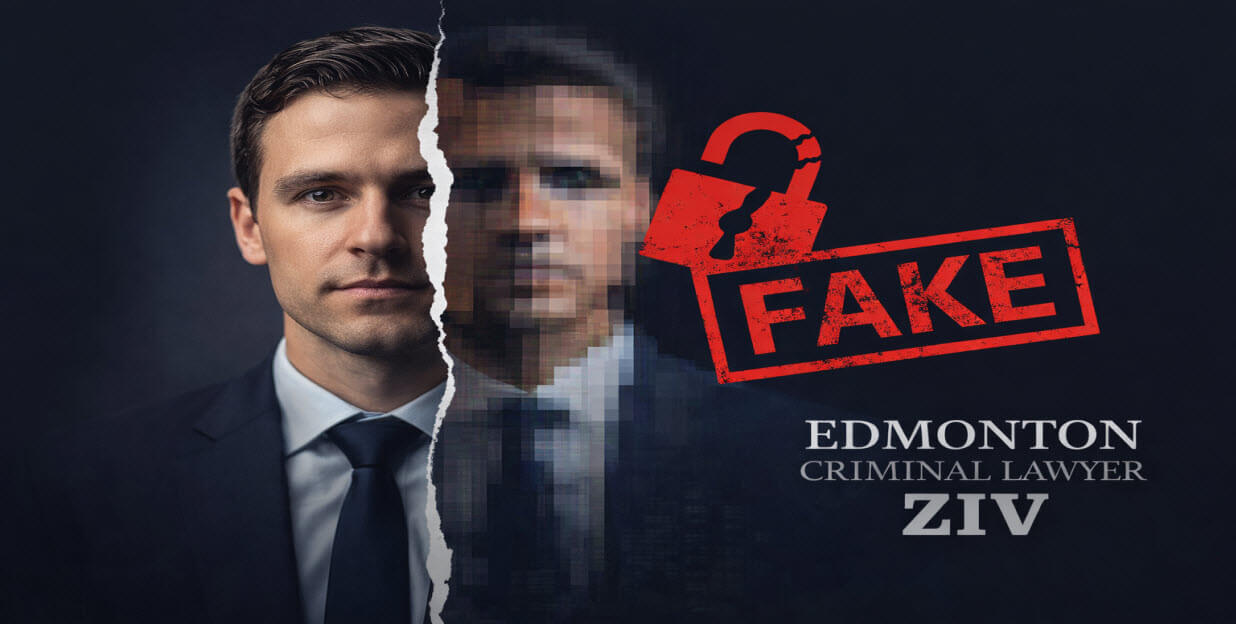
In R v MSK, 2026 NSPC 12, the Court had to deal with a new issue: whether “deepfake” images created using artificial intelligence can be considered “intimate images” under the Criminal Code.
What Happened in R v MSK?
The accused used photos of several complainants that he found on social media. These were normal, fully clothed images. He then used artificial intelligence software to create fake nude images of the complainants. These images looked realistic, even though the bodies were not real. The accused then sent these altered images to others, including some of the complainants themselves.
The complainants did not consent to the creation or distribution of these images. The accused pleaded guilty to criminal harassment and sending obscene images. However, he went to trial on one remaining charge: distributing intimate images without consent.
What is the Fight About?
Everyone agreed that the accused distributed the images and that there was no consent. The only question was whether these AI-generated images met the legal definition of an “intimate image” under section 162.1 of the Criminal Code. To qualify, the image must be a “visual recording of a person” where there is a reasonable
expectation of privacy.
So the problem was, if a fake, AI-generated image of a real person can legally be considered a “visual recording” of that person.
Under section 162.1 of the Criminal Code, an “intimate image” is defined as a “visual recording of a person” in circumstances where the person depicted had a reasonable expectation of privacy. The court had to determine whether images that were never actually recorded, but rather invented wholesale by software, could fit within that definition.
Why This Legal Gap Matters
The images were explicit and realistic and arguably troubling. However, since the law does not prohibit fictious representations, liability does not follow even if it is offensive. People are not liable for a crime because of offensive behaviour, only illegal one.
There is a Latin phrase nullum crimen sine lege — there is no crime without law. If an act is not clearly prohibited by law, a person cannot be punished for doing it.
How the Court Analyzed the Case
The Court first addressed privacy. It found that the complainants had a reasonable expectation of privacy. Even though the original photos were public, they could not reasonably expect that their images would be turned into fake nude pictures and shared.
“(…) I am satisfied that despite being unaware of the altered creations, it is reasonable for the complainants to expect that their likeness would not be used for an iniquitous purpose. Privacy includes freedom from unwanted scrutiny, attention, or intrusion, all of which was brought to bear by the generation and distribution of these images, which intruded on the complainants’ sexual integrity. (…).” — R v MSK, 2026 NSPC 12, para. 58
However, the more difficult question was whether the conduct fit within the legal definition set out in the Criminal Code. The Court noted that Parliament specifically chose the term “visual recording of a person,” which suggests that the image must actually be of that person’s body. Here, the images were not real recordings. They were created entirely by artificial intelligence, using the complainants’ faces but not their real bodies.
“The law does not reflect the technology that exists today, and to combat advancing technologies in the commission of offences requires the dictates of Parliament. It is not within the proper jurisdiction of this Court to extend the reach of the legislation to include an image that creates a nude body entirely generated by AI using a real, identifiable face of a person as a ‘visual recording of a person’ within the definition of intimate image. It would be a patchwork assembly to take the enormity of artificial intelligence and force-feed it into incompatible legislation.” — R v MSK, 2026 NSPC 12, para. 105
The Court made clear that it is not its role to fill that gap. Expanding the law to include AI-generated images would go beyond interpretation and move into legislation, which is Parliament’s job. In the end, the Court found that the images did not meet the definition of “intimate image.” As a result, the accused was acquitted on that charge.
Why is this Decision Important?
Technology is moving faster than the law. However, Criminal Law is limited by the intention of Parliament as expressed in the wording of the legislation. Courts must resist expanding criminal offences to deal with conduct that some may find offensive. The Court’s role is to apply the law as it exists, not to rewrite it.
Are You Facing Charges Involving Intimate Images or Online Offences?
Whether you are a victim seeking to understand your rights, or someone who has been charged with an offence involving intimate images, online harassment, or other technology-related criminal matters, the law in this area is complex and fast-changing.
Understanding how the courts interpret these provisions, and where the current gaps exist, can make a critical difference in how your case is defended or pursued. These are not straightforward cases, and they require a lawyer who stays current with emerging legal developments.
| FACING CHARGES RELATED TO INTIMATE IMAGES OR ONLINE OFFENCES? Edmonton criminal defence lawyer Ziv has the experience and insight to navigate complex, technology-related criminal charges. Whether you are facing allegations involving deepfakes, intimate images, cyberstalking, or any other serious criminal matter, you deserve a vigorous defence built on current legal knowledge. CONTACT US NOW FOR A CONFIDENTIAL CONSULTATION The law is evolving. Your defence should too. |
Disclaimer: This blog post is intended for general informational purposes only and does not constitute legal advice. Criminal law is complex and fact-specific. If you are facing criminal charges or have concerns about your legal exposure, you should consult a qualified criminal defence lawyer immediately.
© 2026 Rory Ziv Law Group · Edmonton Criminal Defence Lawyer · All Rights Reserved