

R v Bhullar: When Does a Snack Become an Offence?
A driver’s snack led to a distracted driving charge in R v Bhullar. Learn when eating behind the wheel crosses the legal line in Alberta.

A driver’s snack led to a distracted driving charge in R v Bhullar. Learn when eating behind the wheel crosses the legal line in Alberta.
Can an accused ask for a complainant’s therapist’s name? Learn how R v Maessen balances defence rights with privacy in sexual offence cases.
Can circumstantial evidence lead to a conviction? Explore R v Akpalialuk (2026) and the high bar for proving impaired driving beyond reasonable doubt.
What are tertiary grounds for bail denial in Canada? Learn how s.515(10)(c) of the Criminal Code works and how to fight detention.
Two 2026 Alberta Court of Appeal rulings expose how circumstantial evidence can lead to wrongful convictions. Learn your rights from Edmonton criminal lawyer Ziv.
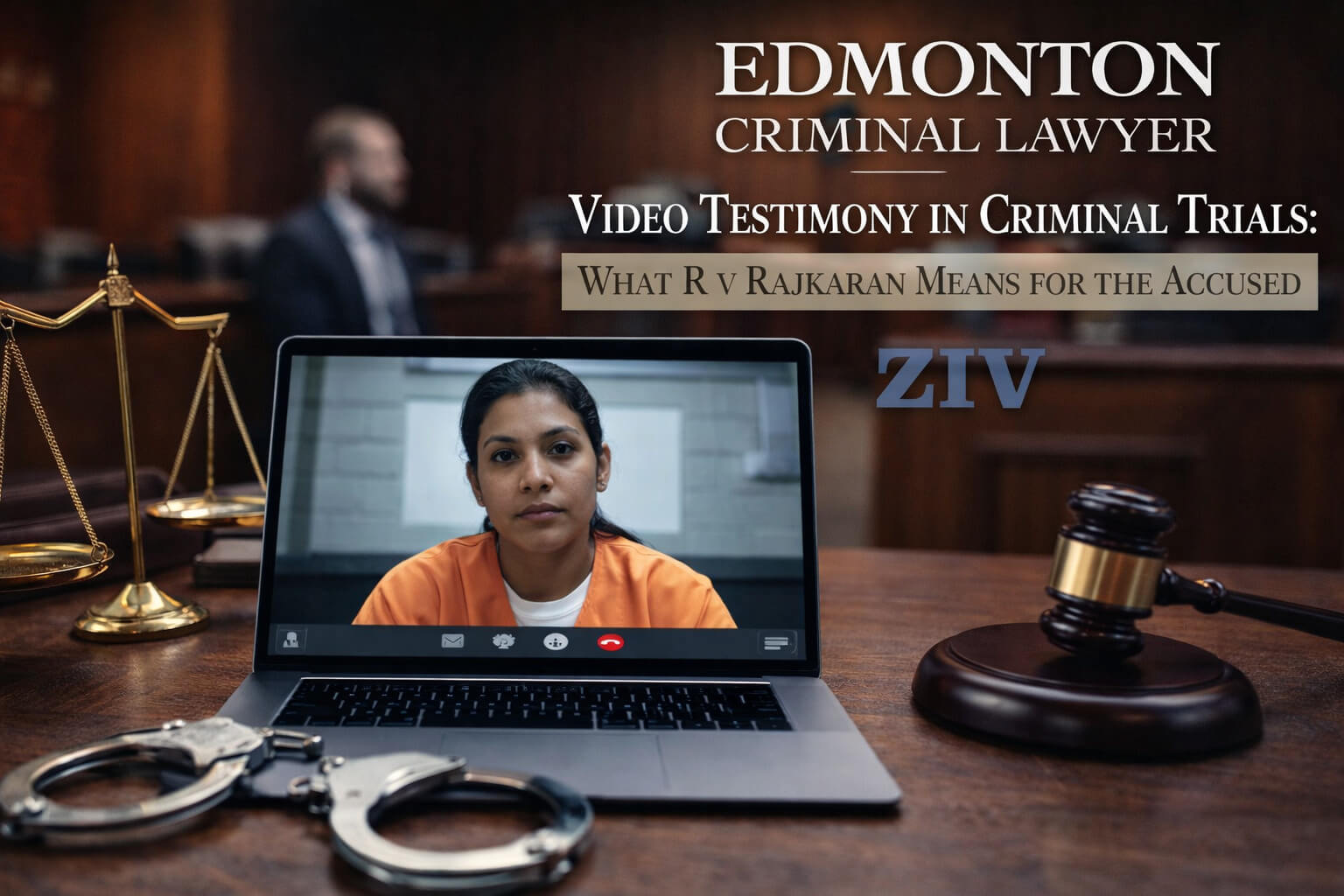
Learn how R v Rajkaran 2026 affects video testimony rules in Canadian criminal trials. Know your rights with Edmonton Criminal Lawyer Ziv.
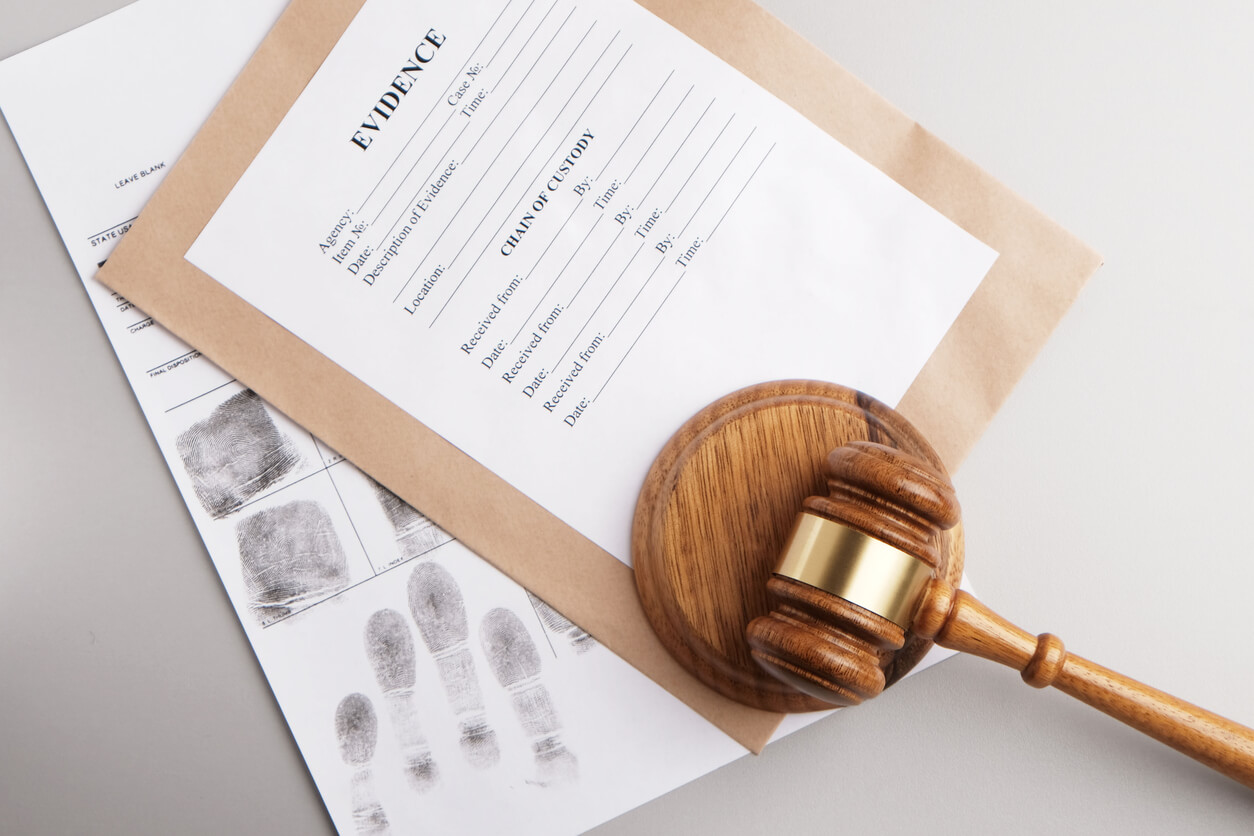
Learn how continuity of exhibits can impact your criminal case in Canada. Expert analysis of evidence handling requirements and defence strategies.
If you’re facing sexual assault charges in Canada, you’re confronting one of the most complex areas of criminal law that continues to grow more intricate
When facing criminal charges in Edmonton, understanding the rules of evidence can be the difference between conviction and acquittal. One of the most crucial, yet
Understanding the Collateral Fact Rule in Canadian criminal law – when credibility evidence can be admitted and how it affects your defence strategy.